
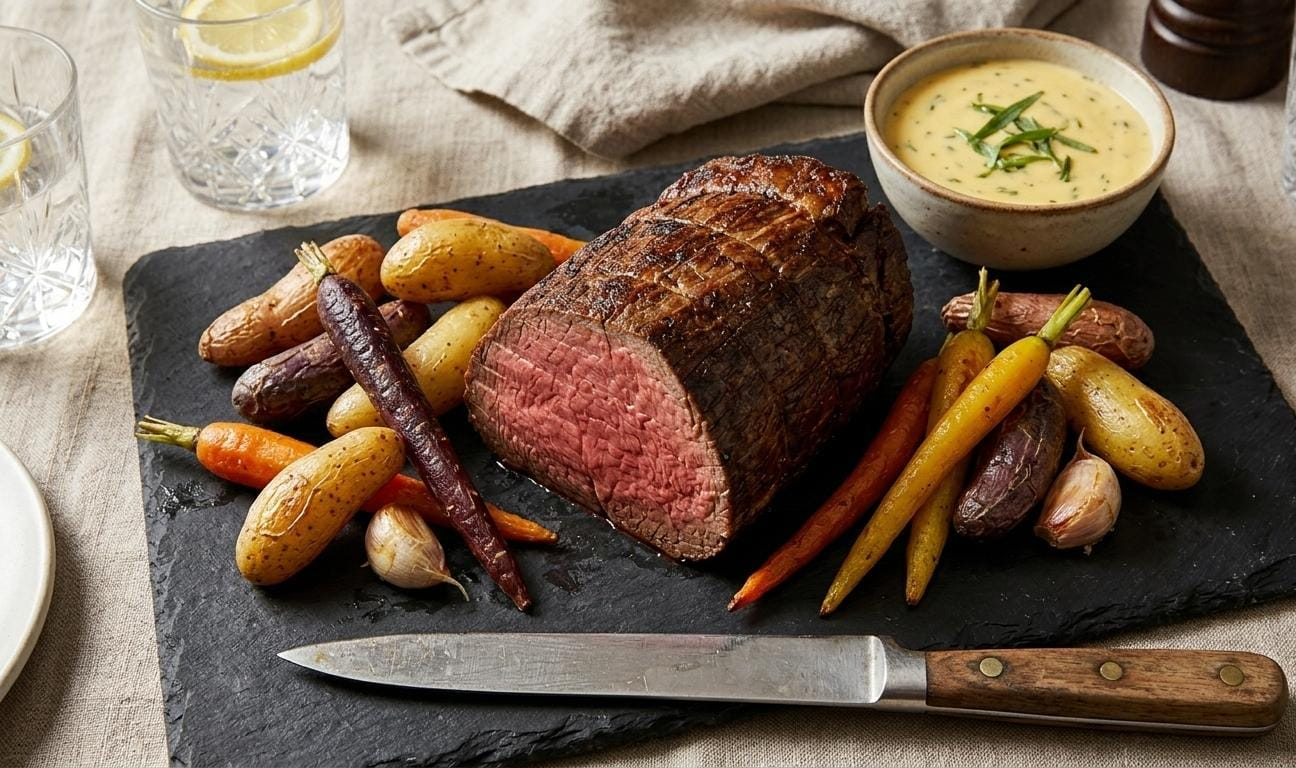
The term Chateaubriand carries a remarkable dual legacy. On one hand, it honours François-René de Chateaubriand, the celebrated French writer, diplomat, and historian of the 18th–19th century. On the other, it refers to a luxurious and tender cut of beef, famed for its elegance, flavour, and the sophistication of its preparation.
The name evokes both cultural refinement and culinary excellence, symbolising the intersection of French literature and gastronomy. Over time, Chateaubriand has become synonymous not just with a cut of beef, but with indulgent dining experiences and the artistry of classic French cuisine. Its preparation and presentation continue to inspire chefs and food enthusiasts worldwide.
Chateaubriand Cultural Icon
Early Life and Career
His upbringing coincided with political turbulence in pre-revolutionary France, which profoundly shaped his worldview. Chateaubriand’s exposure to French aristocratic culture, nature, and travel experiences across Europe and the Americas inspired his distinctive Romantic literary style, characterised by emotion, reflection, and vivid imagery.
Major Works
Chateaubriand’s writings profoundly influenced Romantic literature:
- Atala (1801) A novella exploring themes of love, faith, and tragedy in the American wilderness.
- René (1802) Examines the melancholy and introspection of a young Romantic protagonist.
- Génie du christianisme (1802) A defence of Christianity blending historical observation with poetic prose.
Political and Diplomatic Life
Beyond literature, Chateaubriand served as a diplomat and historian. During the Bourbon Restoration, he worked to preserve France’s cultural heritage and document its political shifts. His contributions extended beyond art to governance and historical scholarship.
Legacy
Chateaubriand’s work inspired generations of writers, establishing Romanticism in France. His focus on emotion, nature, and individual experience continues to resonate in literary studies today.
Chateaubriand Steak Culinary Masterpiece
Origins of the Dish
The Chateaubriand steak is named after the same aristocrat and celebrates indulgence in French cuisine. According to culinary legend, the dish was invented by Chateaubriand’s personal chef in the 19th century. The original preparation involved placing a thick, centre-cut portion of beef tenderloin within smaller steaks, tying the bundle, and roasting it. The outer steaks were discarded, leaving a perfectly cooked, tender centre.
This method was an indulgent variation of barding, where meat is wrapped in fat or another piece of meat to retain moisture during roasting. Traditionally, Chateaubriand was served with château potatoes, small potatoes sautéed in butter and shaped to uniform size for elegance.
Cut or Cooking Method
Chateaubriand is frequently discussed in culinary circles as either a specific cut of beef or a distinctive method of preparation. When considered as a cut, it is taken from the centre of the tenderloin, often presented as thick steaks, and occasionally sourced from the porterhouse or T-bone section.
These steaks are typically grilled or pan-seared in butter and served with classic accompaniments such as béarnaise or château sauce. Alternatively, as a roasting method, Chateaubriand involves carefully roasting a thick section of tenderloin to preserve its tenderness, often accompanied by demi-glace, red wine jus, or truffle-infused sauces. Chefs sometimes tie the meat with butcher’s twine to ensure even cooking. Regardless of the approach, the hallmark remains its exceptional tenderness, juiciness, and elegant presentation, making it a symbol of refined French cuisine.
Cook the Perfect Chateaubriand
Cooking Chateaubriand requires attention to detail. Here’s a classic roasted Chateaubriand with red wine and truffle jus:
Ingredients
- 1 kg grass-fed, dry-aged Chateaubriand
- 400 g chestnut mushrooms, sliced
- 150 g banana shallots, finely diced
- 4 garlic cloves, minced
- 250 ml dry white wine
- 350 ml beef stock
- 120 g grass-fed butter
- Salt & black pepper
Preparation
- Bring Meat to Room Temperature: Remove from fridge 1 hour before cooking.
- Preheat Oven: 220°C (428°F).
- Sear the Meat: Heat half the butter in a griddle pan, season generously, and sear all sides until golden brown.
- Roast: Place meat in a roasting tray and cook 35–40 minutes, basting occasionally.
- Prepare Sauce: Melt remaining butter, sauté garlic and shallots 6–8 minutes. Add mushrooms, cook until moisture evaporates.
- Deglaze and Simmer: Add wine and beef stock, simmer until sauce reduces and thickens.
- Rest and Serve: Remove meat at medium-rare (54–57°C), cover with foil, rest 15 minutes, slice thickly, and serve with sauce.
This method preserves the beef’s juiciness while elevating flavour with complementary sauces.
Pairing and Presentation of Chateaubriand
Chateaubriand is traditionally served with refined accompaniments that enhance its richness without overpowering its delicate texture. Popular vegetable pairings include broccoli rabe, asparagus, or buttery fingerling potatoes, each adding balance and freshness to the dish. It is commonly complemented by classic sauces such as béarnaise, red wine jus, or truffle-infused demi-glace, which deepen the flavour profile.
For wine pairing, full-bodied red wines like Merlot, Syrah, or a distinguished vintage from Bordeaux harmonise beautifully with the meat’s intensity. Presentation plays a vital role in the overall experience, as thick slices reveal a perfectly cooked pink centre, elegantly arranged with sauces and sides to create a truly luxurious dining impression.
Why Chateaubriand Remains Iconic
Chateaubriand is celebrated for its tender, rich flavour, with the centre-cut tenderloin providing unmatched softness and juiciness. Its elegant preparation, often involving classic techniques such as searing, roasting, and butter-basting, further elevates the taste and texture, creating a truly indulgent experience.
Beyond its culinary appeal, Chateaubriand carries cultural prestige as a symbol of French fine dining and gastronomic artistry. Its historical significance, named after the renowned literary figure François-René de Chateaubriand, connects the dish to a rich cultural heritage, blending literature and cuisine. Whether savoured in high-end restaurants or prepared at home for special occasions, Chateaubriand continues to embody sophistication, luxury, and timeless indulgence.
Variations and Modern Adaptations
While traditional Chateaubriand focuses on simplicity and classic elegance, modern chefs increasingly experiment to bring new dimensions to this iconic dish. Sauce innovations now often incorporate luxurious ingredients such as truffles, wild mushrooms, or a rich port wine reduction, enhancing depth and complexity.
Contemporary cooking techniques like sous-vide allow for precise temperature control, ensuring perfect doneness and consistent tenderness. Accompaniments have also evolved, featuring seasonal vegetables, gourmet mashed potatoes, or fine grains that complement the meat without overshadowing it. These thoughtful adaptations maintain Chateaubriand’s luxurious essence while appealing to the tastes and expectations of today’s discerning diners.
Tips for Preparing Chateaubriand
- Choose Quality Meat: Grass-fed, dry-aged tenderloin provides superior texture and flavour.
- Don’t Overcook: Aim for medium-rare to retain juiciness.
- Rest the Meat: Allowing meat to rest ensures even distribution of juices.
- Balance Flavours: Pair with subtle vegetables and complementary sauces, avoiding overpowering seasonings.
- Presentation Matters: Slice at the table and serve immediately for an impressive dining experience.
Cultural and Culinary Significance
Chateaubriand transcends its role as simply a cut of beef, carrying a rich cultural and historical significance. Its literary heritage, named after François-René de Chateaubriand, links the dish to French Romanticism, blending gastronomy with literary prestige.
In the culinary world, it represents refined French cooking, often reserved for celebration-worthy meals that highlight skill and sophistication. Chateaubriand has also become a symbol of luxury, frequently featured at weddings, grand banquets, and high-end dining establishments. This unique combination of history, literature, and gastronomy elevates Chateaubriand, giving it a distinguished standing in both French culture and the world of fine cuisine.
Chateaubriand Key Takeaways
- Chateaubriand refers to both a French writer and a legendary beef dish.
- François-René de Chateaubriand shaped French Romantic literature.
- The beef cut is centre-cut tenderloin, prepared via roasting, grilling, or pan-searing.
- Classic pairings include béarnaise sauce, red wine jus, and château potatoes.
- Preparation requires precise cooking, careful seasoning, and thoughtful presentation.
- The dish represents luxury, elegance, and cultural refinement.
Conclusion
Chateaubriand perfectly merges the worlds of literature and gastronomy. Named after a renowned Romantic writer, it also defines one of the most tender, succulent, and elegant beef preparations in French cuisine. From its historical origins to modern interpretations, Chateaubriand demonstrates sophistication, attention to detail, and culinary mastery.
Whether enjoyed as a decadent meal for a special occasion or studied as a cultural icon, Chateaubriand embodies refinement, taste, and heritage a timeless symbol of excellence in both literature and gastronomy.