
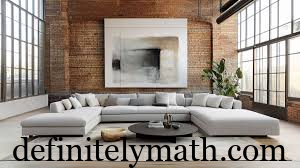
Mathematics is often seen as abstract numbers and formulas, yet its principles underpin many aspects of everyday life especially in home design and furniture placement. From calculating the area of a room to determining the ideal placement for shelves or table tops, geometry and measurement play a crucial role in creating functional, comfortable, and visually appealing spaces.
Understanding Space Through Geometry
Geometry is the study of shapes, angles, and dimensions, and it’s vital when assessing living spaces:
- Room Shape and Proportions: The length, width, and height of a room determine how furniture fits. Rectangular rooms differ from L-shaped or circular layouts, and each requires a tailored approach to placement.
- Angles and Sightlines: Triangles, squares, and circles are not just theoretical shapes; they help designers determine traffic flow and sightlines. For example, placing a sofa at an angle can maximize both walking space and visual appeal.
- Symmetry and Balance: Symmetrical arrangements often create a sense of harmony. Geometry ensures that furniture placement maintains proportional spacing and balance, contributing to a comfortable living environment.
By understanding these principles, homeowners can avoid overcrowding, maintain clear pathways, and create visually pleasing arrangements.
Measurement: The Key to Functional Furniture Layouts
Accurate measurement is essential before buying or arranging furniture. It allows homeowners to:
- Ensure Fit and Flow
Measure room dimensions before purchasing furniture. For example, a rectangular dining table should leave at least 90 cm of clearance around it to allow movement. - Maximize Storage Efficiency
Knowing the precise height and depth of walls or alcoves allows for custom shelving solutions, such as high-quality glass shelves, which provide both functionality and aesthetic appeal. - Optimize Visual Proportions
Furniture that is too large or too small can disrupt the room’s harmony. Using measurement ratios, designers ensure items are scaled appropriately, creating a cohesive look. - Plan for Accessibility
Adequate spacing ensures that rooms are accessible to everyone, including children and the elderly. Measurements for clearances and reachable storage are crucial.
Practical Geometry Applications in Furniture Placement
- The Golden Ratio
Many designers apply the golden ratio (~1:1.618) to determine furniture proportions relative to room size. This principle ensures pleasing symmetry and visual comfort. - Right Angles and Parallel Lines
Right angles help ensure furniture aligns correctly with walls, windows, and doors. Parallel lines and square corners provide structure and predictability in furniture layout. - Circles and Flow Areas
Circular furniture or round tables, like a glass table top, promote flow in compact spaces. Round tables reduce corner congestion and are safer in homes with children. - Measuring Diagonals
In rooms with irregular shapes, measuring diagonals helps confirm whether large pieces, such as sectional sofas, can fit through doors or around corners.
Choosing Materials Based on Measurement and Geometry
The right materials complement geometric planning. For example:
- Glass Shelves: Transparent, high-strength glass allows for accurate visual measurement of storage areas. Their minimalist design avoids visual clutter while maximizing usable space.
- Tempered Glass Table Tops: Round or rectangular glass tops can be measured precisely to fit dining areas or office layouts. Their durability ensures safety without compromising design.
These materials are particularly suited to modern, open-plan homes where visibility and proportion are key.
Geometry and Lighting Design
Light affects how a room feels and functions, and geometry informs lighting placement:
- Symmetrical Lighting: Mirrors room symmetry, enhancing balance.
- Shadow Mapping: Understanding angles prevents glare or dark corners.
- Reflective Surfaces: Glass shelves and table tops can reflect natural light, improving brightness and creating the illusion of space.
Proper measurement ensures fixtures are installed at optimal heights, maximizing both function and safety.
Safety Considerations in Geometry and Measurement
Mathematics isn’t just aesthetic it’s a safety tool:
- Spacing Around Furniture: Prevents tripping hazards and ensures fire code compliance.
- Corner Radii and Round Edges: Round tables or beveled glass shelves reduce sharp corners, minimizing injuries.
- Load-Bearing Calculations: Knowing the strength of shelving materials ensures shelves don’t collapse under weight.
- Height and Reach Calculations: Shelves should be reachable without risk of overextending or using unsafe objects for support.
Using precise measurements and geometric planning keeps homes both beautiful and safe.
Advanced Tools: Digital Geometry in Home Design
Today, digital tools make applying geometry and measurement easier:
- CAD Software: Allows virtual placement of furniture before purchase.
- Room Scanners: Measure room dimensions accurately for precise layout planning.
- 3D Modeling: Visualizes how furniture interacts with room shape, flow, and lighting.
These tools are invaluable when designing custom glass shelves, tabletops, or other tailored furniture, ensuring a perfect fit.
Case Study: Optimizing Small Apartments
In urban environments, space is limited. Geometry and measurement allow designers to:
- Use vertical space efficiently with glass shelving.
- Choose appropriately scaled furniture, like round glass table tops, to improve mobility and prevent overcrowding.
- Maintain flow by calculating walking paths and clearance distances.
This demonstrates how mathematics transforms even the smallest spaces into functional, attractive environments.
Conclusion
Geometry and measurement are far more than academic exercises; they are essential tools for practical home design. By understanding shapes, proportions, and spatial relationships, homeowners can:
- Optimize room layouts
- Maximize storage
- Enhance aesthetic appeal
- Ensure safety for all residents
High-quality materials, like glass shelves and tempered glass table tops, complement these principles. They allow for precise planning, durability, and visual clarity, turning mathematical concepts into tangible design improvements.
Whether you’re redesigning a single room or furnishing an entire home, incorporating geometry and measurement ensures spaces that are functional, beautiful, and safe a perfect harmony of math and design.
Disclaimer
This content is for informational purposes only and is not intended as promotional material. Always consult a professional for specific design or safety advice.The author is not responsible for any loss or damage.