
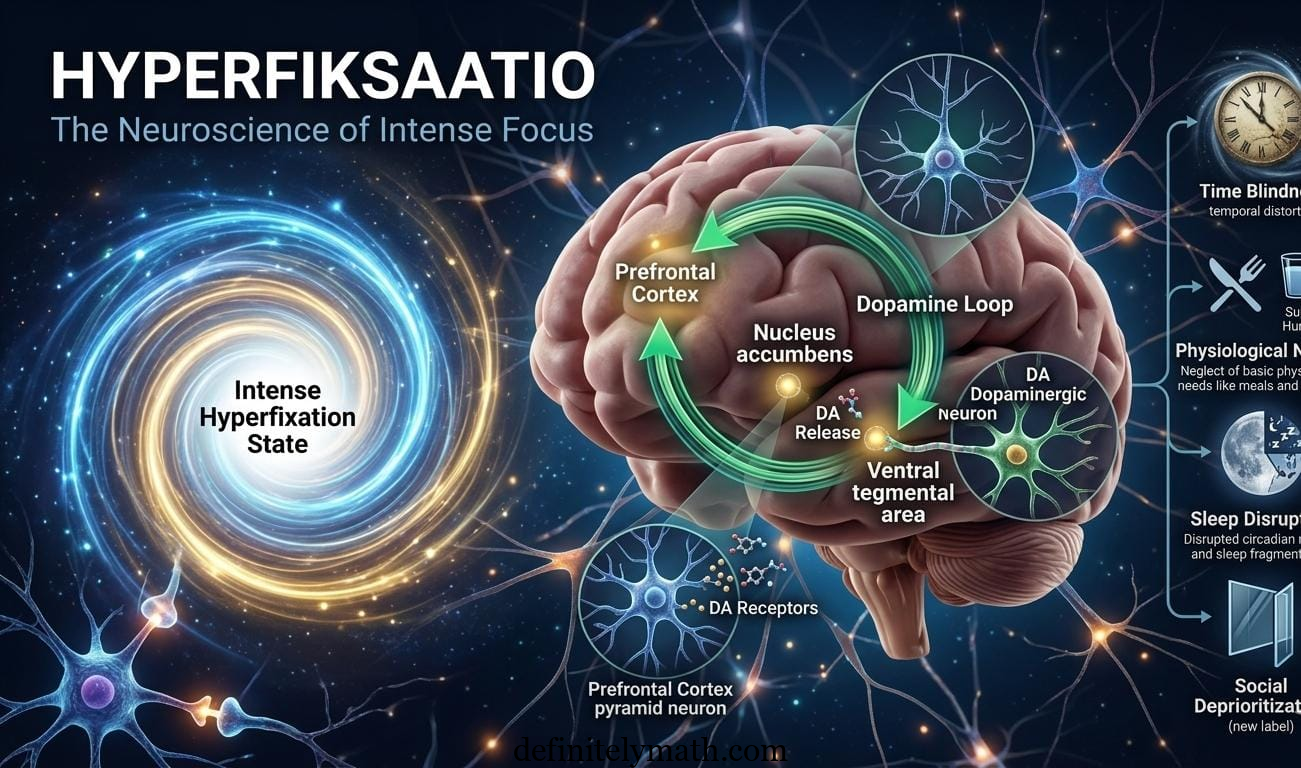
In an age of constant distractions and multitasking, the ability to focus deeply has become a prized skill. Yet, for some, focus can reach extremes this is known as hyperfiksaatio, the Finnish term for hyperfixation. While many people experience moments of deep engagement, hyperfiksaatio is unique. It represents a mental state of intense, sometimes overwhelming concentration on a particular task, interest, or idea. This state can bring extraordinary creativity, productivity, and learning but it can also disrupt daily life, relationships, and well-being if left unmanaged.
Understanding essential for individuals with neurodivergent conditions such as ADHD or autism, as well as anyone who struggles with maintaining balance while pursuing passions.
What is Hyperfiksaatio
Hyperfiksaatio is more than simply being really into something. It is a cognitive phenomenon in which focus becomes so intense that everything else fades into the background. Individuals experiencing may lose track of time entirely, skip meals or neglect personal care, ignore social obligations or deadlines, and struggle to disengage from the task or subject at hand.
Although it is commonly associated with ADHD and autism due to dopamine regulation and special interests, research and anecdotal evidence indicate that anyone can experience hyperfixation at various points in life. For some, it serves as a burst of inspiration that fosters skill acquisition, creativity, and innovation, while for others, it can feel like a trap that disrupts balance, leading to fatigue and burnout.
Key Characteristics of Hyperfiksaatio
- Intense Emotional or Intellectual Pull The subject or task grabs attention with high emotional or intellectual intensity.
- Time Blindness Hours may pass in what feels like minutes, and daily needs may be forgotten.
- Difficulty Disengaging Even when aware of obligations, pulling away from the focus can be challenging.
These characteristics make a double-edged sword it can be both a gift and a challenge depending on how it is managed.
Causes of Hyperfiksaatio
Hyperfiksaatio is influenced by multiple factors, including neurological, psychological, and environmental elements.
Neurological Differences
Individuals with ADHD or autism often experience hyperfiksaatio due to differences in dopamine regulation and neural pathways. The brain’s reward system responds strongly to special interests, making engagement deeply satisfying and motivating. These neurological differences can make it easier to enter a state of prolonged focus, but they also increase the risk of neglecting other responsibilities. Understanding how the brain is wired helps in developing strategies to harness without letting it become disruptive.
Passion and Interest
Even outside neurodivergence, strong personal interests can trigger hyperfiksaatio. Hobbies, creative projects, or intellectual pursuits can capture attention in a way that suppresses awareness of time and surroundings. When deeply passionate, people may ignore fatigue or basic needs, fully immersing themselves in the activity. Recognising which passions are constructive versus draining can help individuals channel their focus more effectively.
Environmental Conditions
A distraction-free environment can intensify focus, allowing to occur more easily. Conversely, chaotic or overstimulating environments may prevent deep engagement or make hyperfiksaatio frustrating rather than productive. Physical factors such as lighting, noise levels, and workspace organisation can also influence how long and effectively someone can maintain focus. Creating an environment tailored to one’s needs can maximise the benefits while minimising stress.
Emotional and Cognitive Engagement
Tasks or topics that evoke strong emotions whether excitement, curiosity, or challenge can heighten the likelihood of hyperfiksaatio. Emotional intensity and cognitive complexity often go hand in hand in producing this state. The brain’s heightened arousal during such tasks can increase learning, creativity, and retention of information. Being aware of these triggers allows individuals to intentionally channel toward productive and meaningful activities.
Benefits of Hyperfiksaatio
While often misunderstood, hyperfiksaatio can have remarkable advantages when harnessed effectively:
- Enhanced Productivity Sustained focus allows for complex tasks to be completed efficiently and thoroughly.
- Deep Learning and Mastery Individuals can achieve expertise in specific subjects or skills through prolonged engagement.
- Creative Problem-Solving Hyperfiksaatio fosters innovative thinking, as the brain can form connections and solutions that might be overlooked under normal focus.
- Personal Fulfillment Engaging in a passion or interest at a deep level provides intrinsic satisfaction and a sense of accomplishment.
Many artists, inventors, and professionals credit periods for breakthrough ideas or skill development.
Challenges of Hyperfiksaatio
Despite its many benefits, hyperfiksaatio carries notable risks that can impact daily life. Individuals may neglect responsibilities, such as routine tasks, deadlines, or social obligations, while extended periods of intense focus without breaks can lead to physical and mental fatigue, stress, and burnout.
The deep absorption in a single interest can also result in social isolation, reducing time for interpersonal interactions and straining relationships. Additionally, emotional imbalances such as frustration, anxiety, or guilt may arise when people realise other needs have been overlooked. Recognising these challenges is crucial for developing strategies that allow hyperfiksaatio to be harnessed productively while maintaining balance in everyday life.
Practical Strategies to Manage Hyperfiksaatio
Managing hyperfiksaatio is about redirecting intensity rather than suppressing it. Here are seven proven strategies:
Build Awareness Through Tracking
Start by recording fixations: the topic, duration, and emotional impact. Tracking helps identify which fixations energize you and which drain your energy. Example: binge-watching may leave you tired, while a focus on creative writing may recharge you. Over time, patterns emerge that highlight your natural rhythms and preferences, helping you make informed decisions about how to direct your focus. Consistently reviewing your tracking notes allows for reflection and adjustment, ensuring that hyperfiksaatio becomes a tool rather than a hindrance.
Use Time Anchors
Time blindness is a core challenge Anchors such as alarms, timers, or shared commitments help maintain balance without disrupting focus. These cues remind you to pause, eat, or switch tasks, supporting overall well-being. Anchors also create a sense of structure, helping prevent hyperfiksaatio from consuming entire days
Budget Your Energy
Hyperfiksaatio can drain mental and physical energy. Treat your energy like a budget: schedule breaks, meals, exercise, and rest to maintain long-term productivity and avoid burnout. Recognise which activities are most demanding and allocate energy accordingly to prevent exhaustion. Maintaining a balance between high-focus periods and restorative activities ensures sustainable productivity over time.
Integrate Fixations Into Daily Life
Rather than fighting,channel it productivelyIf nutrition is your focus, apply it to meal prep for family.If productivity tools fascinate you, use them to improve your work systems.This turns intense focus into a practical advantage. Additionally, linking hyperfiksaatio to meaningful tasks increases motivation and provides tangible results, reducing guilt or frustration. Over time, integrating fixations in this way strengthens skills and enhances daily life efficiency.
Create a Supportive Environment
Environmental factors play a crucial role in how manifests. Maintaining a clean, distraction-free workspace, setting clear boundaries with others, and using focus tools such as website blockers or music can significantly enhance concentration. Communicating your needs to friends and family also helps provide grounding when hyperfiksaatio becomes intense. A well-structured environment not only boosts productivity but also prevents overstimulation, ensuring that periods of deep focus remain positive and manageable.
Use Bullet Journals
Digital reminders often fail when deep focus takes over. Bullet journals are visual and flexible, providing an effective way to track fixations, daily essentials, and reflections, keeping balance intact. They allow for creative expression while serving as a practical tool to maintain awareness of needs and goals. Over time, bullet journaling can help identify recurring patterns, highlight achievements, and provide motivation to manage hyperfiksaatio productively.
Hyperfiksaatio in Daily Life
Hyperfiksaatio can impact multiple areas:
- Work Deep focus can enhance productivity and problem-solving.
- Education Students may experience intense interest in specific subjects, enhancing learning.
- Hobbies Creative engagement leads to skill mastery.
- Relationships Awareness and management prevent neglect of social and familial responsibilities.
By recognising and managing hyperfiksaatio, you can harness its benefits without suffering its downsides.
Balancing Hyperfiksaatio
The key to balance lies in observation and strategic integration. Suppression is unnecessary; instead, guide hyperfiksaatio toward meaningful, structured activities that align with long-term goals. Balance involves:
- Awareness of needs and responsibilities
- Scheduled breaks and energy management
- Supportive social and professional structures
- Mindfulness and reflection
With these techniques,becomes a powerful tool rather than a disruptive force.
Final Thoughts
Hyperfiksaatio is a natural cognitive phenomenon that can be both a blessing and a challenge. Left unmanaged, it can lead to fatigue, missed responsibilities, and social strain. Managed effectively, it drives creativity, productivity, and skill development. The goal is not to eliminatebut to understand, guide, and apply it strategically.
By blending awareness, structured strategies, and support,can become a stepping stone for personal growth, mastery, and achievement. With the right approach, what once seemed like a trap transforms into a superpower.
FAQs
What is hyperfiksaatio
It’s the Finnish term for hyperfixation, describing intense focus on one subject, task, or interest.
How is hyperfiksaatio different from hyperfocus?
Hyperfocus is short-term and task-driven; hyperfiksaatio can span weeks or months and cover hobbies or broad interests.
Is hyperfiksaatio harmful?
If unmanaged, it may disrupt health, work, or relationships. Awareness and management strategies mitigate risks.
How can I know if I’m experiencing hyperfiksaatio?
Signs include losing track of time, neglecting daily needs, and difficulty disengaging from a task or topic.
How can I manage hyperfiksaatio?
Awareness tracking, time anchors, energy budgeting, integration into routines, bullet journaling, supportive environments, and professional or peer support.